The Complete Beginner’s Guide to Becoming a Pilot in Florida
The Crosswind Chronicle — Countrywide Flyers
Few dreams capture the imagination quite like flying an airplane. For many people, the idea of taking control of an aircraft, lifting off the runway, and navigating the skies represents the ultimate sense of freedom and adventure.
If you’re considering aviation as a hobby or career, Florida is one of the best places in the world to start that journey.
With year-round flying weather, hundreds of airports, and one of the most active aviation communities in the United States, the Sunshine State has become a global hub for pilot training.
This comprehensive guide will walk you through everything you need to know about becoming a pilot in Florida, including:
• The types of pilot licenses available
• FAA requirements for training
• How long pilot training takes
• The cost of learning to fly
• Career opportunities in aviation
• How to choose the right flight training environment
Whether your goal is flying recreationally, traveling with family and friends, or building a career as a professional pilot, this guide will give you a clear roadmap from your first discovery flight to earning advanced pilot certifications.
Why Florida Is One of the Best Places in the World to Learn to Fly
When people ask where the best place in the United States is to become a pilot, Florida consistently ranks near the top.
There are several reasons for this.
Excellent Weather Conditions
Florida offers over 300 flyable days per year, which allows student pilots to train consistently without long weather delays.
In northern states, winter storms and cold temperatures can slow training significantly. Florida’s warm climate allows pilots to train year-round.
Consistent flying helps students progress faster and build skills more efficiently.
Large Network of Airports
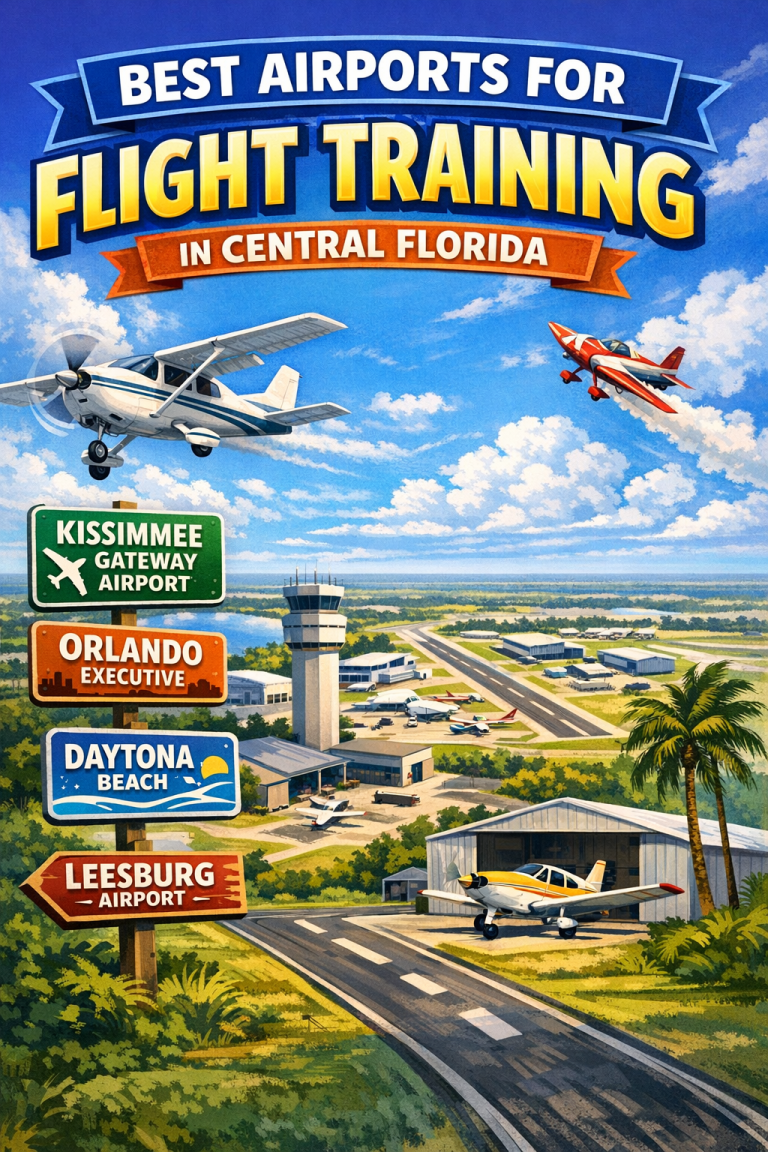
Florida has over 100 public-use airports, making it one of the most aviation-friendly states in the country.
From small grass airfields to large international airports, Florida offers pilots a wide variety of training environments.
This variety helps student pilots gain real-world experience navigating different types of airspace and airport operations.
Active Aviation Community
Florida is home to:
• Flight schools
• Aviation universities
• Aircraft maintenance facilities
• Charter companies
• Airline training centers
For aspiring pilots, this ecosystem provides excellent networking opportunities and exposure to the aviation industry.
Understanding the Different Types of Pilot Licenses
Becoming a pilot involves progressing through several certifications issued by the Federal Aviation Administration.
Each certification builds upon the previous one.
Here are the main pilot licenses.
Student Pilot Certificate
The first step toward becoming a pilot is obtaining a student pilot certificate.
This certificate allows you to begin flight training with an instructor.
Requirements include:
• Being at least 16 years old
• Being able to read, speak, and understand English
• Holding an FAA medical certificate
Once you have this certificate, you can begin learning the fundamentals of flight.
Private Pilot License (PPL)
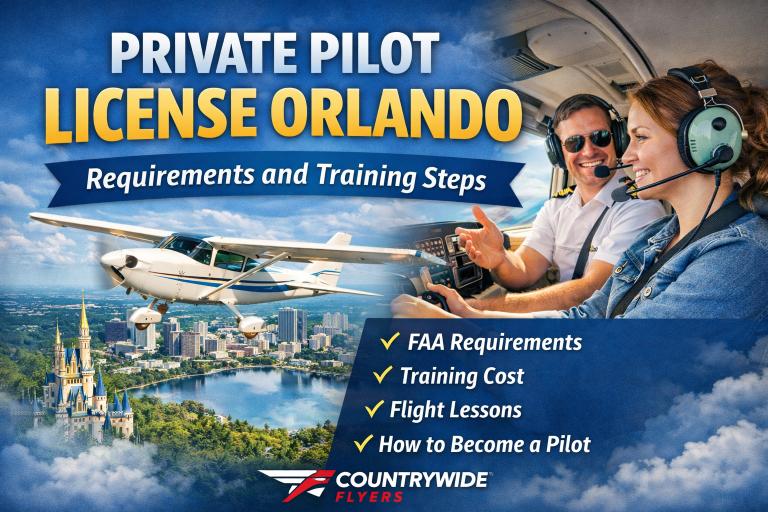
The Private Pilot License is the most common starting point for new pilots.
With a private pilot license, you can:
• Fly single-engine airplanes
• Carry passengers
• Travel cross-country
However, private pilots cannot be paid for flying.
FAA Requirements
To earn a private pilot certificate, the FAA requires:
• Minimum 40 flight hours
• 20 hours of instruction
• 10 hours solo flight
• Written knowledge exam
• Practical flight test (checkride)
In reality, most pilots complete training with 60–70 hours of flight time.
Instrument Rating
An Instrument Rating allows pilots to fly in reduced visibility conditions using cockpit instruments.
This rating dramatically increases safety and pilot capability.
Instrument-rated pilots can fly:
• Through clouds
• In low visibility conditions
• During more complex weather situations
Many pilots pursue this rating immediately after their private license.
Commercial Pilot License
The Commercial Pilot License allows pilots to be compensated for flying.
This certification requires:
• Minimum 250 total flight hours
• Advanced flight training
• Commercial pilot checkride
Once pilots earn this certification, they can work professionally in aviation.
Airline Transport Pilot License
The Airline Transport Pilot (ATP) certificate is the highest level of pilot certification.
This license is required to become an airline captain.
The FAA requires:
• 1,500 flight hours
• Advanced knowledge exams
• Airline-level training
How Long It Takes to Become a Pilot in Florida
The timeline for becoming a pilot depends on how often you fly and your training goals.
Private Pilot License
Most students complete their private license in:
3 to 6 months
Instrument Rating
Typically completed in:
3 to 6 months
Commercial Pilot License
Usually takes:
1 to 2 years total training time
For those pursuing airline careers, the full timeline often looks like this:
| Phase | Timeline |
|---|---|
| Private Pilot | 3–6 months |
| Instrument Rating | 3–6 months |
| Commercial Pilot | 6–12 months |
| Time Building | 1–2 years |
Total time to airline pilot: 3–5 years.
How Much It Costs to Become a Pilot in Florida
Flight training is an investment, but it’s more accessible than many people expect.
Typical costs in Florida include:
Private Pilot License
$12,000 – $18,000
Instrument Rating
$8,000 – $12,000
Commercial Pilot Training
$15,000 – $25,000
Total Cost to Commercial Pilot
$40,000 – $70,000
These costs vary based on:
• Aircraft rental rates
• Instructor fees
• Frequency of training
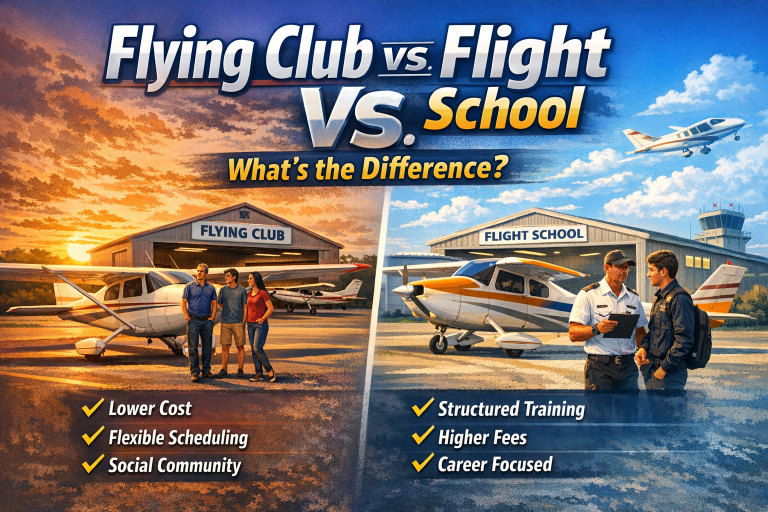
Flying clubs often help reduce costs by providing more affordable aircraft access.
What Happens During Flight Training
Flight training combines classroom knowledge with hands-on flying experience.
Students learn:
• Aircraft systems
• Aerodynamics
• Weather interpretation
• Navigation techniques
• Emergency procedures
Flight instructors guide students through each stage of learning.
Training gradually progresses from basic maneuvers to complex cross-country flights.
The First Flight: Discovery Flights
Many future pilots begin their journey with a discovery flight.
A discovery flight is an introductory experience where a certified flight instructor introduces a new student to flying.
During a discovery flight, you will:
• Sit in the pilot’s seat
• Learn basic controls
• Experience takeoff and landing
• Try flying the aircraft yourself
For many people, this experience sparks a lifelong passion for aviation.
How Flying Clubs Help New Pilots
Flying clubs are becoming increasingly popular among student pilots.
Organizations like Countrywide Flyers Cooperative Association allow members to access aircraft at lower hourly costs compared to traditional rental operations.
Benefits of flying clubs include:
• Affordable aircraft access
• Community support
• Flexible scheduling
• Shared aviation knowledge
Flying clubs create a supportive environment where pilots learn from each other and grow together.
Cross-Country Training in Florida
Cross-country flying is an essential part of pilot training.
Students must complete several long-distance flights to demonstrate navigation skills.
Popular training routes from Orlando include:
• Orlando to Key West
• Orlando to Savannah
• Orlando to Tampa
• Orlando to Jacksonville
These flights help pilots develop real-world navigation experience.
Aviation Careers After Becoming a Pilot
Aviation offers a wide range of career opportunities.
Some pilots pursue airline careers, while others work in specialized aviation sectors.
Common aviation careers include:
• Airline pilot
• Corporate pilot
• Charter pilot
• Flight instructor
• Cargo pilot
• Aerial photography pilot
The aviation industry continues to grow, creating strong demand for qualified pilots.
The Current Pilot Shortage
The aviation industry is currently experiencing a major pilot shortage.
Factors contributing to this shortage include:
• Airline expansion
• Retiring pilots
• Increased global travel demand
Industry forecasts predict the need for tens of thousands of new pilots in the coming decade.
For aspiring aviators, this creates tremendous career opportunities.
Tips for Aspiring Pilots
If you’re considering becoming a pilot, here are some helpful tips.
Fly Consistently
Frequent flying helps students learn faster.
Study Aviation Knowledge
Ground school knowledge is essential for safe flying.
Connect with the Aviation Community
Networking with other pilots can open doors and provide mentorship.
Stay Focused on Safety
Professional pilots prioritize safety in every aspect of flight.
Frequently Asked Questions About Becoming a Pilot in Florida
How long does it take to become a pilot in Florida?
Most pilots earn a private license within 3–6 months, depending on training frequency.
How many flight hours are required?
The FAA requires 40 hours minimum, though most students complete training with 60–70 hours.
Can you become a pilot without going to college?
Yes. A college degree is not required for most pilot certifications.
Is becoming a pilot difficult?
Learning to fly requires dedication, but with proper training and practice, it is achievable for many people.
Final Thoughts
Learning to fly is one of the most rewarding journeys a person can undertake.
Whether your goal is flying recreationally or pursuing a professional aviation career, Florida provides one of the best training environments in the world.
With excellent weather, a strong aviation community, and countless opportunities to explore the skies, aspiring pilots in Florida are perfectly positioned to begin their aviation journey.
If you’ve ever dreamed of becoming a pilot, there has never been a better time to start.
The runway is open, and the sky is waiting.