Why Florida Is the Best Place to Learn to Fly
The universal dream of flight is closer than you think: pilot training is accessible, structured, and practical. This guide explains why florida is the best place in america to learn to fly by comparing climate, airspace access, and cost. You’ll get a clear PPL path under FAR Part 61/141, step-by-step milestones from student pilot to checkride, and realistic 2026 cost ranges—local schools and clubs often $8,000–$16,000, while intensive programs like Epic Flight Academy list ~$28,822. We’ll compare club vs flight school models (Countrywide Flyers’ flying club at Orlando Apopka Airport X04 versus traditional FBOs and academies such as ATP Flight School, Modern Aero, and Paragon Flight). Expect practical timelines, checkride fee ranges, and a cost breakdown for zero-to-CFI and local options. Use this introduction to decide whether a club, a local FBO, or an academy fits your goals, and why Countrywide Flyers is a top choice for Orlando training.
Did You Know?
Florida offers some of the most cost-competitive PPL training in the U.S.: local schools and clubs often range $8,000–$16,000, while intensive programs like Epic Flight Academy cost about $28,822.
Source: Compiled 2026 flight school data (Epic Flight Academy, Modern Aero, Paragon, ATP, local FBOs)
Why Florida Is the Best Place in America to Learn to Fly
Florida’s combination of climate, geography, and infrastructure creates an unusually efficient training environment. Long windows of VFR weather let students schedule consistent dual and solo flights; reduced seasonal interruption accelerates syllabi compared with northern states. These operational advantages directly lower schedule risk for schools such as Epic Flight Academy and Modern Aero.
Key Advantages of Training in Florida
Year‑round VFR weather
Florida offers significantly more VFR flying days than northern states, giving students extended training windows and fewer weather delays.
Flat terrain and safety margins
Flat coastal plains reduce terrain hazards and simplify emergency planning for student pilots.
Dense network of airports
Numerous small airports, uncontrolled fields, and towered airports allow varied training environments from short‑field practice to towered operations.
Diverse airspace exposure
Access to uncongested practice areas and complex Class B/C airspace near Miami and Orlando builds real‑world ATC and airspace skills.
Island and overwater transitions
Easy access to the Bahamas and Florida Keys supports overwater planning, seaplane experience, and cross‑border trips.
Robust support ecosystem
Central Florida—especially Orlando—hosts many instructors, maintenance shops like ACI Jet and Signature Flight Support, and avionics shops for student convenience.
Weather and terrain
Consistently mild temperatures and frequent clear mornings give students reliable daytime VFR blocks. Flat coastal terrain reduces decision complexity for emergency planning and single‑pilot contingencies, which benefits first solos and low‑time cross‑countries.
Airspace, airports, and practical experience
Florida’s dense airport network offers training at uncontrolled fields, short‑field practice at municipal airports, and towered operations at hubs like Orlando (MCO) and Miami (MIA). Exposure to Class B/C and uncongested practice areas helps students develop ATC communication and airspace management skills before moving on to airline‑style programs such as ATP Flight School.
Costs, programs, and local support
Florida accommodates budgets from economical local schools to structured programs. Paragon Flight and many local FBOs advertise PPL ranges from about $8,000 to $16,000, while Modern Aero’s Cirrus SR20 programs and Epic Flight Academy represent higher‑structure options. These real cost differentials are shown below to help prospective students compare options quickly.
These combined factors — predictable weather, accessible airports, varied airspace, island access, and schools from Paragon Flight to Epic Flight Academy — explain why florida is the best place in america to learn to fly for students pursuing efficient, real‑world training pathways.
What It Takes to Become a Pilot in Florida
To begin training in Florida you must meet simple eligibility rules: be able to read, speak, and understand English, be at least 16 to fly solo and 17 to hold a Private Pilot License (PPL), and hold a valid medical qualification.
Medical & Documentation
A third-class FAA medical certificate from an Aviation Medical Examiner (AME) is the baseline. Many students use BasicMed as an alternative if they meet the criteria and have a recent primary-care exam plus the online BasicMed course. Obtain a student pilot certificate via IACRA; international students should expect TSA vetting where applicable—programs like Epic Flight Academy and ATP Flight School list TSA processes in admissions materials.
Ground School Knowledge
Ground school covers aerodynamics, weather, FAA regulations, navigation, and aeromedical factors. Popular online ground-school providers include Sporty’s, King Schools, and Gleim; Embry-Riddle and Modern Aero offer more structured classroom options tied to flight syllabi.
Flight Hours & Instructor Time
Under FARs: Part 61 requires a minimum of 40 flight hours and Part 141 typically 35 hours; those are minima. Most students log about 60–75 hours to reach proficiency. Extra hours come from cross-country requirements, night training, weather delays, and individualized instruction with CFIs.
Programs & Pathways
Options range from local FBOs and Paragon Flight to intensive programs at Epic Flight Academy, ATP, or Modern Aero’s Cirrus SR20 tracks. Structured programs shorten timelines; many pilots still exceed minimums for safety and confidence before the checkride.
Most healthy adults who commit to regular lessons, study with Sporty’s or King Schools, and train with a dedicated CFI can realistically begin and complete PPL training in Florida. Consider a discovery flight at your chosen school to confirm fit.
Pilot Eligibility & Essentials
Minimum ages, medical options, certificates, core ground topics, and FAA hour minima for Private Pilot training in Florida.
- ✓ Solo at 16; PPL at 17
- ✓ Third-class medical or BasicMed alternative
- ✓ Student pilot certificate + TSA vetting where applicable
- ✓ Ground school: aerodynamics, weather, regs, navigation
- ✓ FAA minimums: Part 61 = 40 hrs (typ.) / Part 141 = 35 hrs
Step-by-Step: Earning Your Private Pilot License in Florida
Discovery Flight: expect to sit in the left seat with a certified flight instructor, brief on controls, perform taxi, takeoff, basic maneuvers, and a landing. This flight confirms aptitude and introduces radio communications and airspace basics.
PPL Training Steps
Discovery Flight
Take the left seat with an instructor, handle basic controls, and experience takeoff/landing.
Student Pilot Certificate
Apply via FAA IACRA or through your instructor; required before solo flights and early in training.
Ground School
Choose structured Part 141 course or self-study with King Schools/Sheppard Air; focus on regulations, weather, and aerodynamics.
Dual Flight Lessons
Build fundamentals: stalls, steep turns, slow flight, emergency procedures, radio work, and pattern operations.
Solo Flight
Instructor endorsements after demonstrated proficiency; milestone for confidence and logbook entries.
Cross-Country Training
Plan flights, file diversions, navigate with VFR charts/Garmin, and earn logbook cross-country endorsements.
Checkride
FAA examiner conducts an oral exam and practical flight; pass both to receive your PPL.
Student Pilot Certificate & Medical
Obtain a Student Pilot Certificate via FAA IACRA or through your instructor early—this is required prior to solo. Obtain a third-class FAA medical certificate (or BasicMed where applicable) before advanced training sessions.
Ground School & Knowledge Test
Choose between structured Part 141 ground school or self-study using King Schools, Sheppard Air, or Sporty’s. Key subjects: airspace, weather, performance, aerodynamics, weight & balance, and radio procedures. The FAA knowledge test assesses these areas; prepare with official FAA test guides.
Dual Lessons, Solo Progression, and Cross-Country
Dual lessons build maneuvers (stalls, steep turns, instrument reference), emergency procedures, and radio work. Instructors endorse you for solo after demonstrated proficiency. Cross-country training emphasizes navigation, diversions, flight planning, and logbook endorsements using VFR charts and Garmin avionics.
Checkride
The practical test includes an oral with an FAA examiner and a flight demonstration. Expect checkride fees in the $600–$800 range and a focus on safe practical skills and decision-making.
Suggested Milestones (typical hours, cost ranges, outcomes)
- Discovery + intro flights: 1–5 hrs; $150–$400; outcome: left-seat confidence and decision to train.
- Initial dual training: 15–25 hrs; $2,000–$6,000; outcome: basic maneuvers and radio skills.
- First solo: typically 10–25 dual hrs preceding solo; endorsement milestone and logbook entries.
- Cross-country requirement: 3–5 flights, part of total 40+ hrs; additional planning cost $200–$1,000.
- Checkride readiness: commonly 50–70 total hrs; total PPL cost ranges in Florida span ~$8,000 (Paragon/local FBO) to $28,822 (Epic Flight Academy).
| Feature | Epic Flight Academy | Paragon Flight Training | Modern Aero (Cirrus SR20 G6) |
|---|---|---|---|
| Typical PPL cost (2026) | $28,822 (3 months) | $8,000–$15,000 (varies by location) | $26,700+ (Cirrus program) |
| Typical training aircraft | Cessna 172 (fleet) | Cessna 172 / Piper variants | Cirrus SR20 G6 (advanced trainer) |
| FAA minimum / typical hours | FAA min 40 hrs; many finish ~60–70 hrs | FAA min 40 hrs; many finish ~60–70 hrs | Program example uses 50 hrs package (Cirrus-focused) |
| Ground school included? | Yes (ground school $500 included) | Varies by school—often separate | Cirrus program includes structured ground & avionics training (program fee $1,200+) |
| Aircraft rate example | C172 training flights listed ~$298/hr | Varies by FBO; often lower than academy rates | 50 hrs aircraft ~$17,500 (avg $350/hr equivalent) |
How Much It Costs to Learn to Fly in Florida (2026 Real Numbers)
Private Pilot License (PPL) training in Florida spans a wide range: local schools commonly quote totals between $8,000 and $16,000, while structured accelerated programs like Epic Flight Academy list a packaged cost of $28,822. The national average PPL cost is roughly $15,400, which often exceeds advertised base rates by about 40% once real‑world add‑ons are included.
Costs break down into a few predictable buckets: aircraft hourly rates, instructor time, fuel and maintenance surcharges, insurance and hangar fees, written‑test and checkride fees, plus personal equipment such as headsets. Expect checkride fees in Florida to run about $600–$800 for a private checkride; other exam and examiner travel expenses can raise that toward $1,300 in some cases.
Practical Budget Steps
Estimate Your Budget
Plan for $8,000–$30,000 depending on school and aircraft choice; include $600–$800 checkride.
Choose Aircraft
Cessna 172s reduce hourly cost; Cirrus SR20 raises aircraft cost (~$350/hr) and program fees.
Set Your Pace
Accelerated programs (Epic) finish in ~3 months but cost more overall; part‑time stretches total hours and fees.
Factor Fixed Costs
Headset ($250–$1,250), medicals, knowledge test, and insurance can add up — budget separately.
Consider a Flying Club
Clubs lower per‑hour rates and monthly access costs, improving availability and reducing long‑term expense.
Concrete examples illustrate the spread. Paragon Flight lists training packages in the $8,000–$15,000 band by using lower hourly trainer rates and leaner extras. Typical local FBOs in Florida more commonly fall between $12,000–$16,000 once instructor hours and fuel are factored. Epic Flight Academy’s accelerated, structured program totals $28,822 and explicitly bundles ground school; Modern Aero’s Cirrus SR20 pathway is in the mid‑$20,000s driven by higher aircraft and avionics costs.
| Feature | Paragon Flight | Local FBOs (Florida avg) | Epic Flight Academy | Modern Aero (Cirrus SR20) |
|---|---|---|---|---|
| Estimated PPL Total | $8,000–$15,000 | $12,000–$16,000 | $28,822 | $26,700+ |
| Aircraft hourly rate | $120–$175/hr (trainer C172) | $140–$185/hr (C172) | $298/hr (C172, bundled) | ~$350/hr (Cirrus SR20 estimate) |
| Instructor rate (hour) | $35–$60/hr | $50–$70/hr | Included in package / ~$65–$130/hr | ~$130/hr (Cirrus experienced instr.) |
| Typical program length | Flexible (3–9 months) | 6–12 months (part‑time common) | 3 months (accelerated) | Varies; faster if full‑time |
| Notable extras | Fuel surcharges, small local fees | Checkride $600–$800; headset $250–$1,250 | Ground school $500; structured curriculum included | Cirrus training fee $1,200; advanced avionics training |
Budget planning that accounts for aircraft type, training pace, and fixed costs will yield the most accurate total. Flying clubs and owner‑group arrangements are effective ways to lower per‑hour aircraft costs and improve availability, particularly for students who plan to continue flying after their PPL.
Flying Club vs Flight School: Which Is Right for You?
Choosing between a flying club and a flight school in Florida hinges on priorities: cost, scheduling, community, and the pace of training. Flight schools offer structured curricula and predictable paths to a Private Pilot License (PPL) or career tracks, while flying clubs emphasize cooperative ownership, lower hourly rates, and member-driven flexibility.
Flying Club vs Flight School Snapshot
Countrywide Flyers (Flying Club)
A cooperative flying club model offering shared ownership, lower hourly rates, peer mentorship, and flexible scheduling tailored to recreational and career-minded students.
- • Lower hourly rates than most flight schools
- • Flexible scheduling with member-priority reservations
- • Peer mentorship and community-led checkout programs
Epic Flight Academy (Flight School)
A structured Part 141-style flight school offering an intensive, curriculum-driven pathway with high aircraft utilization and fixed schedules.
- • Fixed, intensive 3-month Private Pilot program ($28,822)
- • Curriculum-focused training with full-time instructor availability
- • High aircraft utilization and centralized maintenance
Flight schools: predictable but not without pitfalls
Schools like Epic Flight Academy provide a rigorous, curriculum-driven path with clear timelines and milestone-based progress. That structure supports fast completion for students who can dedicate full time and pay program fees—Epic lists a $28,822 Private Pilot track for a compressed schedule.
However, even reputable schools can suffer aircraft downtime and maintenance bottlenecks when fleets are heavily utilized. Instructor shortages and rigid scheduling can delay lessons, and fixed expectations may create pressure to meet timelines regardless of individual learning pace.
Flying clubs: community, flexibility, and cost savings
Clubs emphasize shared ownership and member control of aircraft scheduling. Compared with structured programs, clubs typically lower per-hour costs and foster mentorship among members. For many recreational students—and some career-minded trainees—this model can accelerate training by reducing wait times for aircraft and offering flexible lesson timing.
Flying Club vs Flight School Comparison
| Feature | Epic Flight Academy (Flight School) | Paragon Flight (Flight School) | Local FBOs (Various Florida Schools) |
|---|---|---|---|
| Cost (Private Pilot) | $28,822 (3-month program) | $8,000–$15,000 (varies by school) | $12,000–$16,000 typical range |
| Scheduling flexibility | Fixed, intensive schedule | Moderate; depends on school | Flexible hours but dependent on instructor availability |
| Aircraft availability | High utilization; scheduled fleet | Varies; smaller fleets can limit options | Moderate; maintenance and downtime can reduce availability |
| Maintenance model | School-managed, centralized maintenance | School-managed; varies | Outsourced or vendor maintenance can create bottlenecks |
| International flying permissions | Program includes cross-country training; international ops depend on insurance/endorsements | Varies by aircraft and school insurance | Subject to aircraft insurance and export/insurance limits |
| Community / Mentorship | Instructor-led instruction; less peer ownership | Local community varies; some schools foster mentorship | Clubs at FBOs often provide stronger peer mentorship and informal training support |
For students focused on an accelerated, full-time career path—programs like Epic Flight Academy or ATP Flight School provide predictable timelines and intensive syllabi. For recreational pilots or cost-conscious trainees, a well-run flying club can reduce hourly costs, improve access to aircraft, and deliver a supportive community that speeds learning without the rigidity of an intensive school program.
Countrywide Flyers — A Modern Flying Club for Orlando Pilot Training
Important Insight
Countrywide Flyers prioritizes aircraft availability and international readiness: a proactive maintenance program plus Bahamas-configured aircraft reduces scheduling gaps and accelerates PPL and cross‑country experience.
Countrywide Flyers operates from Orlando Apopka Airport (X04) as a member-driven flying club focused on beginner-friendly, affordable, and practical training. The club blends community mentorship with professional standards found at established FBOs. Membership gives students predictable access to aircraft for consistent lesson pacing, rather than spotty rental availability that often lengthens PPL timelines.
Philosophy and Community
The club’s philosophy centers on community-driven aviation and real-world experience. Volunteer mentors with CFI and CFII credentials pair with paid instructors to provide progression coaching tailored to FAA Part 61 progression. Members use ForeFlight for flight planning and SkyVector for cross‑country route visualization during mentorship sessions.
Fleet and Avionics
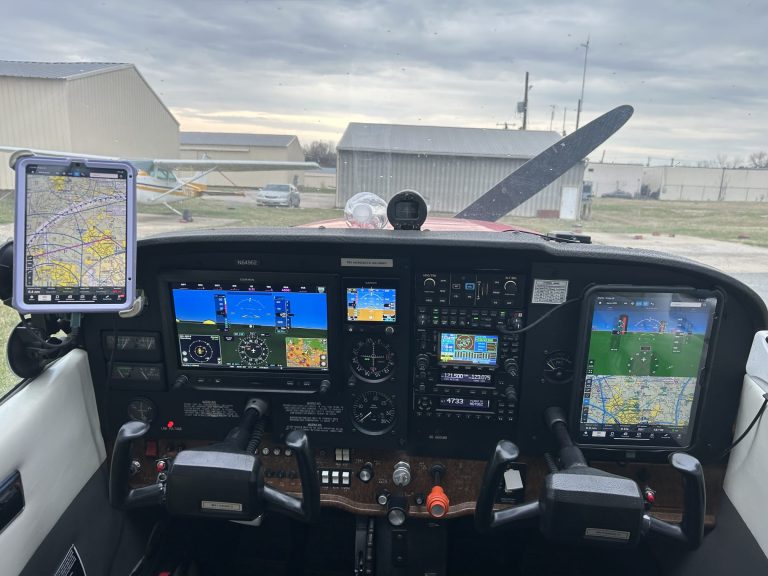
Countrywide Flyers is expanding a mixed fleet to support both training and destination flying. Primary trainers include Cessna 172 variants for initial PPL hours. Advanced options feature a Cirrus SR20 G6 and G1000-equipped Cessna 172s for instrument and complex transition training. Many aircraft are equipped with Garmin G5s, GTN 650 navigators, and ADS‑B Out/In to mirror airline-style avionics workflows.
Aircraft Availability and Training Pace
A growing club fleet reduces scheduling gaps and accelerates progress by increasing contiguous lesson slots. Members can reserve blocks of consecutive flights, which supports efficient skill consolidation and reduces the typical drift between dual instruction and solo practice. This model addresses the common cost-driver of extended training timelines seen at local FBOs.
Maintenance and Reliability
Countrywide Flyers follows a proactive maintenance program using CAMP Systems for tracking and Flightdocs for digital records. The club maintains an on-call A&P/IA mechanic and a stocked spare‑parts strategy for rotating components like alternators, starter assemblies, and static system parts. Minimizing downtime preserves student momentum and avoids expensive rescheduling and checkride delays.
International and Adventure Opportunities
As a differentiator, select club aircraft are configured for short overwater flights and Bahamas trips. Members train on international flight planning using ForeFlight’s international features, file eAPIS manifests, and practice overwater emergency procedures with LifePort-style equipment and Danbury-type life vests. These capabilities expand experience beyond local cross‑countries and prepare pilots for real-world avionics and customs procedures.
Quantified Snapshot
The fleet composition intentionally favors primary trainers while retaining advanced and international-capable platforms. This balance supports steady PPL progression and destination flying without sacrificing availability for students.
Discovery Flights, Community, and Timelines: Getting Airborne from Orlando
Discovery flights are a hands-on introduction to single‑engine flying. At Countrywide Flyers a typical flight is 45–60 minutes: you’ll occupy the left seat, run through preflight checks, radios, taxi, normal takeoff and landing, basic maneuvers, and a short debrief. Book via Countrywide Flyers’ website or by phone; expect an instructor like a Part 61 CFI to guide the session.
Quick Start Hexagon
Discovery Flight (Countrywide Flyers)
45–60 minutes hands-on: take the left seat, basic maneuvers, takeoff/landing, airwork; book online or by phone at Countrywide Flyers (KORL).
Realistic Timelines
Aggressive: 3–6 months (Epic Flight Academy-style fast track). Casual: 6–12 months through local FBOs like Paragon or Countrywide.
What You’ll Learn
Preflight, taxi, radio work, stalls, steep turns, cross-country nav, and solo prep — plus FAA knowledge test tips.
Community & Mentorship
Fly-outs, EAA chapter meetups, AOPA events, and local mentorship accelerate learning and build confidence.
First Cross-Country Picks
Common student destinations from Central Florida: Florida Keys, Gulf Coast (Clearwater, Fort Myers), intro Bahamas trips via Marathon or Bimini.
Timelines vary. An aggressive student using a structured program such as Epic Flight Academy can finish a Private Pilot Certificate in about three to six months; local-FBO training at Paragon or Countrywide typically runs six to twelve months depending on weather, aircraft availability, and budget. Frequent twice‑weekly lessons, simulator practice, and targeted ground coaching accelerate progress. Common delays include inconsistent scheduling, maintenance downtime, and study gaps before the FAA knowledge test.
Community and first cross‑countries
Central Florida clubs and AOPA chapters organize fly‑outs, mentorships, and meetups that speed confidence-building. Typical first cross‑country flights from Orlando include trips to the Florida Keys, Gulf Coast airports like Clearwater and Fort Myers, and introductory Bahamas hops to Marathon or Bimini; students experience longer cruise planning, real‑world weather decision making, and unfamiliar ATC interactions.
Plan for checkride fees of $600–$800 and flexible scheduling, often nearby.
Frequently Asked Questions
These FAQs answer timing, cost, training choices, international flying, medicals, and Discovery Flights for Florida student pilots. Answers reference Epic Flight Academy, Modern Aero, ATP Flight School, Paragon Flight, and local FBOs.
Intensive programs like Epic complete Private Pilot training in about three months. Part time at a local FBO or Paragon often takes six to twelve months; FAA minimum is forty hours, typical completion is sixty to seventy hours.
PPL cost ranges in 2026 run from about $8,000–$16,000 at local schools to $28,822 for Epic Flight Academy; Modern Aero’s Cirrus SR20 pathway is roughly $26,700+. Expect checkride fees near $600–$800 and a national average near $15,400.
Flying clubs lower hourly costs and foster community, while schools such as ATP Flight School and Epic provide structured syllabi and airline career pipelines.
Students may fly internationally only with an instructor aboard; Bahamas trips require a passport, customs clearance, and school or FBO approval. Dual instruction can be given without a medical, but a third‑class FAA medical is required to solo and advance toward a PPL.
Discovery Flights—offered by Epic, Modern Aero, and many FBOs—are brief hands‑on lessons to confirm interest before committing.
Florida PPL FAQs
How long does it take to get a Private Pilot License in Florida?
▼
How much will a PPL cost in Florida in 2026?
▼
Should I join a flying club or train at a traditional flight school?
▼
Can student pilots fly internationally or to the Bahamas during training?
▼
Do I need a medical certificate to start flight lessons?
▼
What is a Discovery Flight and is it worth it?
▼
Conclusion
Florida’s consistent VFR weather, dense network of airports, and mature training ecosystem explain why florida is the best place in america to learn to fly. These factors shorten training timelines and reduce weather-related delays, whether you train at a local FBO or a larger school.
Programs and costs
Costs vary: local schools and Paragon typically run about $8,000–$16,000 for a PPL, Epic Flight Academy lists $28,822, Modern Aero’s Cirrus program is ~$26,700+, and ATP’s airline pathway is substantially higher. Embry-Riddle represents the university end at $140,000–$180,000.
Next steps
Book a Discovery Flight, compare program costs (Paragon, Modern Aero, Epic Flight Academy, ATP), and visit Countrywide Flyers at Orlando Apopka Airport (X04) to tour the fleet and meet instructors.
Joining a flying club like Countrywide Flyers yields lower hourly rates, better aircraft availability, and peer mentoring that accelerates real-world decision making. Touring the fleet at X04 will clarify whether a Cessna 172, Cirrus SR20, or club-shared aircraft fits your goals.
🎯 Key takeaways
- → Florida’s year-round VFR weather, dense airport network, and training ecosystem accelerate progress and reduce cancellations.
- → Flying clubs like Countrywide Flyers at Orlando Apopka Airport (X04) lower costs, increase aircraft availability, and offer real-world mentoring.
- → Next steps: book a Discovery Flight, compare program costs (Paragon, Modern Aero, Epic Flight Academy, ATP), and visit Countrywide Flyers to tour the fleet and meet instructors.