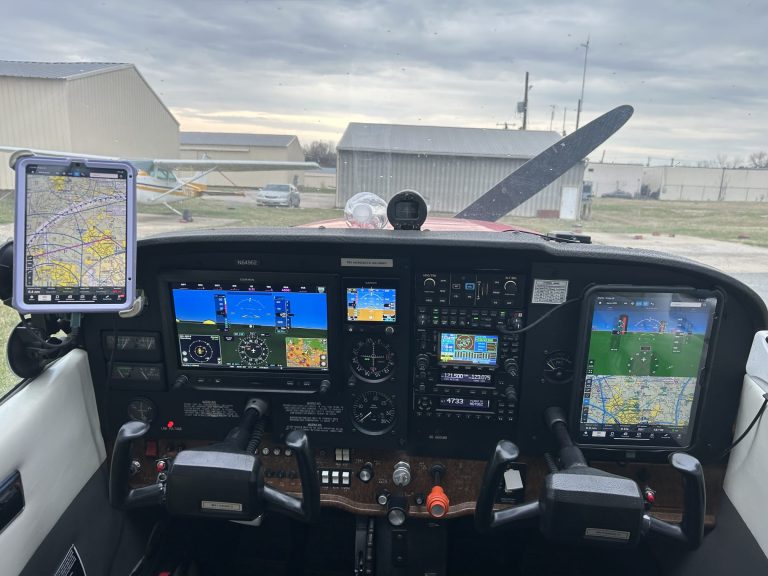

Florida Weekend Flying Trips
Florida Weekend Flying Trips: 8 Adventures From Orlando-Apopka (And Why a Flying Club Makes Them Possible)
There’s a moment every Central Florida pilot remembers. You’re sitting at work on a Tuesday, staring at a forecast that looks like it was drawn by an aviation tourism board — 10 knots out of the east, scattered at six thousand, visibility unlimited from now until the weekend. You think: I could be in Cedar Key for lunch on Saturday.
If you have aircraft access, you go.
If you don’t, you watch the weekend come and go from your phone.
That’s the entire pitch for being part of a flying club. The airplane is there, the rate is reasonable, and the only thing standing between you and a Gulf Coast sunset is a flight plan and an honest weather brief.
This post is part destination guide, part argument for the flying-club life. Eight real Florida weekend flying trips you can launch from Orlando-Apopka Airport (X04), with the airport codes, rough distances, and the reasons each one is worth the avgas. And at the end, the part most flying blogs leave out: how you actually get to do this, week after week, year after year.
Why Florida Is Built for Weekend Flying
Florida is, geographically, one of the best general aviation playgrounds in the United States. It’s a peninsula — which means a hundred miles in almost any direction puts you over water, beach, or both. The terrain is forgiving. The airports are everywhere. The weather is workable most of the year if you fly mornings. And the destinations range from oyster shacks in the Panhandle to Caribbean-blue water in the Keys.
You don’t need an IFR ticket or a complex airplane to enjoy any of this. A VFR Private Pilot with a checked-out Cessna 172 can reach every destination on this list. Most are within two hours one-way from Apopka.
What you do need is an airplane you can actually get your hands on when the weather cooperates. Which is where most pilots get stuck — and where a co-op flying club changes the math entirely.
1. Cedar Key (CDK) — The Classic Florida Fly-In
Approximate distance from X04: 95 nautical miles NW Approximate flight time in a Cessna 172: 1 hour Best for: First-time weekend trips, seafood, Old Florida vibes
Cedar Key is the trip every Florida pilot takes first, and there’s a reason. It’s close enough to feel doable, far enough to feel like an adventure, and weird enough to feel like you’ve actually gone somewhere. The town is a tiny Gulf Coast island that looks like Key West in 1973 — wooden buildings, fishing boats, pelicans on every dock, and seafood that came out of the water this morning.
The airport (CDK / George T. Lewis) sits right on the water with a single paved runway. Tie down, walk or grab a golf cart shuttle into town (call ahead — service availability varies), and pick a restaurant. Tony’s Seafood Restaurant has been the go-to for years, but every working pilot in Florida has an opinion on the best clam chowder in town. Try a few and pick yours.
Pilot tip: The runway is short and surrounded by water. Pay attention to winds and density altitude in summer. Morning departures are calmer and cooler in every way.
2. New Smyrna Beach (EVB) — Beach Day, No Effort Required
Approximate distance from X04: 50 NM east Approximate flight time: 35 minutes Best for: Day trips, beginner cross-countries, beach lunch
If Cedar Key is the iconic trip, New Smyrna is the easy one. You can be in the airplane at 9:00 AM and on the beach by 10:30. The airport is well-maintained, easy to fly into, and a short rideshare from the beachfront restaurants and shops. It’s also a great destination for newly minted PPL holders who want a real cross-country win without committing to a multi-hour leg.
Pilot tip: Daytona’s Class C is right next door. Practice your radio work and your transitions — this is one of the best learning trips for new VFR pilots in Central Florida.
3. St. Augustine (SGJ) — History, Beaches, and a Real Town
Approximate distance from X04: 95 NM NE Approximate flight time: 1 hour Best for: Weekend overnighters, couples, history buffs
St. Augustine is the oldest continuously inhabited European-established city in the United States — and from the air, you’ll see why people picked the spot. The Atlantic on one side, the Matanzas River on the other, Spanish forts in the middle. The Northeast Florida Regional Airport (SGJ) is a comfortable Class D with rental cars and rideshare access into the historic district.
This is the trip you take when you want to stay overnight somewhere. The historic district hotels are walkable to everything. Fly in Saturday morning, walk the cobblestone streets, drink wine on a courtyard, fly home Sunday afternoon. This is the kind of weekend pilots who don’t have aircraft access just don’t get to have.
4. Marathon, Florida Keys (MTH) — The Keys, Without the Drive
Approximate distance from X04: 270 NM SE Approximate flight time: 2.5–3 hours Best for: The bucket-list Keys experience without committing to Key West
Driving to the Keys from Orlando is an all-day ordeal — six to eight hours of US-1 traffic, gas stops, and the slow grind through Florida City. Flying to Marathon is a smooth two and a half hours of Atlantic blue out the right window. The airport sits right on the water, a quick ride from Sombrero Beach, the Turtle Hospital, and a long list of seafood spots.
Marathon hits the sweet spot. You get true Keys experience — Caribbean-blue water, a Conch Republic vibe, the chance to swim with tarpon — without the longer flight (and more demanding airspace) of Key West. Pilots who fly down for a long weekend and stay two nights almost always end up doing it again the next year.
Pilot tip: Plan fuel carefully. The leg from Apopka to Marathon is the longest on this list. Stop somewhere on the way down if you’re flying a fixed-gear single — Sebring, Naples, or Fort Myers are common refuel points.
5. Key West (EYW) — The Bucket List
Approximate distance from X04: 300 NM SE Approximate flight time: 3 hours Best for: A real adventure, sunset at Mallory Square, the photo every pilot wants
Key West is the trip you tell people about for the rest of your flying career. The approach over the chain of Keys is one of the most beautiful arrivals in American aviation. The town itself is exactly what you’ve heard — Hemingway, sunset celebrations, the southernmost point of the continental US, more bars per square foot than any city in Florida.
The airport (EYW) is a real Class D with airline service and the ramp fees that come with it. Plan ahead. Tie-downs fill up fast on weekends, especially during high season (November–April).
Pilot tip: This is a flight where you absolutely want a current Weight and Balance. You’re flying long legs over water — every pound matters. Use our Cessna 172M Weight & Balance Calculator before you load up.
6. Bartow Executive (BOW) — The Closest “Real Trip”
Approximate distance from X04: 55 NM south Approximate flight time: 40 minutes Best for: $100 hamburger runs, building cross-country time, lunch with another pilot
Bartow has long been one of Central Florida’s favorite quick fly-out destinations. It’s close, it’s easy, the airport is friendly to GA, and the on-field food options keep the “$100 hamburger” tradition alive. This is the trip you do when the weather window is short, you’ve got a Saturday morning free, and you just want to fly somewhere.
It’s also one of the best destinations for building hours toward your Commercial certificate — easy to log, easy to repeat, and never boring. See our guides on building flight hours in Florida and time building in Orlando.
7. Apalachicola (AAF) — The Forgotten Coast Oyster Run
Approximate distance from X04: 250 NM NW Approximate flight time: 2.5 hours Best for: A longer adventure, oyster lovers, escaping Central Florida tourism
Apalachicola is the part of Florida that hasn’t been built up — old fishing town on the Gulf, oyster bars on the water, slower pace, fewer people. The flight up takes you across some of the prettiest empty country in the state, and the airport is a simple GA strip with friendly locals.
This is the kind of trip that makes you understand why people stay in general aviation for fifty years. There’s no theme park, no rideshare swarm, no resort. Just oysters, a beer, the water, and the airplane waiting on the ramp to bring you home.
8. Fernandina Beach (FHB) — Amelia Island Weekend
Approximate distance from X04: 130 NM NE Approximate flight time: 1.25 hours Best for: Couples weekends, beach + boutique town, lower-key alternative to St. Augustine
Fernandina is the kind of place magazines write about: a Victorian downtown, miles of quiet beach, restaurants that actually have lines on Saturday night, and a small GA airport that’s used to pilots flying in for the weekend. The vibe is closer to Charleston than to Orlando.
It’s the long-weekend trip you take when St. Augustine is starting to feel too familiar. Slightly farther, slightly quieter, easily the prettiest small town on the Northeast Florida coast.
Honorable Mentions
A few more worth your fuel:
- Sebring (SEF) — home of Sun ‘n Fun-adjacent aviation culture; good for a quick lunch and a different ramp
- Venice (VNC) — quiet Gulf coast, beach, shark teeth on the sand
- Crystal River (CGC) — manatees in season, springs, easy fly-in
- Sebastian Municipal (X26) — long-running pilot tradition on the Atlantic coast
- Bahamas (Bimini, BIM) — yes, this is doable in a 172, but it requires customs, eAPIS filing, life rafts, and pre-trip planning. Worth it once you’ve built confidence on the domestic trips above.
Why a Flying Club Makes Any of This Possible
Here’s the part no one tells you when you start flight training:
Earning the license is the easy part. Actually flying for the rest of your life is what most pilots struggle to do.
Look around at the people you trained with. A year after their checkride, most of them aren’t current. Two years after, half have stopped flying entirely. Five years after, the active rate drops off a cliff. It’s not because they stopped loving aviation. It’s because the access problem killed them.
The two ways out of the access problem are:
- Buy an airplane. Realistic if you’ve got $80k+ in cash, $300+/month in tie-down or hangar, $2,000+/year in insurance, an annual inspection, and the bandwidth to manage maintenance. For most working pilots, this isn’t happening soon.
- Join a flying club. Membership unlocks shared aircraft at member rates, with the maintenance, insurance, hangar, and overhead split across the group.
The math on option 2 is what makes weekend flying actually realistic. At Countrywide Flyers, membership is $49/month with a $99 initiation fee. That’s less than most gym memberships. Add aircraft rental at member rates (substantially below retail flight-school rates), and the cost of a weekend trip to Cedar Key works out to something most working professionals can do once or twice a month without thinking about it.
What the Flying Club Specifically Gives You for Weekend Trips
1. Flexible aircraft access. Schedule the airplane online, weeks in advance or hours in advance. You’re not fighting a flight school’s training schedule for a Saturday morning slot.
2. Lower per-hour cost. Member rental rates are built around covering the airplane’s actual cost — not generating margin for a school’s instructor force.
3. The community. Other members fly to the same places. You’ll get tips on which restaurant just changed hands, which airport has new fuel pricing, which ramp fees to expect. You’ll also pick up flying partners — most weekend trips are better with another pilot in the right seat.
4. No prepaid commitment. You don’t lose money if you don’t fly. You pay membership, you pay for the hours you actually use, and that’s it.
5. Aircraft that are actually maintained. Our airplanes get used, not abused. Maintenance is taken seriously because the club’s members are the people flying them.
This is what makes a flying club fundamentally different from a flight school. A flight school sells training. A flying club enables flying — for life.
How to Plan Your First Weekend Trip
If you’re a current pilot reading this, you already know what to do.
If you’re a newer pilot who’s never done a real fly-out, here’s the simple version:
The night before: Pull weather (Aviation Weather Center, ForeFlight, our weather app). Check NOTAMs. Look at destination ramp/fuel/services. Plan fuel stops if needed.
The morning of: Recheck weather. File a VFR flight plan if it’s longer than 50 NM (good habit, not required). Weight and balance — for real, with whatever your passengers actually weigh. Pre-flight thoroughly.
The flight: Fly your plan. Use flight following. Stay ahead of the airplane.
On the ground: Top off fuel before you leave. Check ramp fees. Don’t forget your headset on the ramp (don’t ask).
The flight home: Watch afternoon thunderstorm development in summer (this is the #1 thing that bites Central Florida pilots). Leave earlier than you think you need to.
If you’ve never flown a real cross-country since your checkride, ask a CFI to ride along on your first one. Half a day with an instructor is cheap insurance, and you’ll come home with way more confidence.
Frequently Asked Questions
What’s the best first weekend flying trip from Orlando? For most newly licensed pilots, Cedar Key or New Smyrna Beach is the right first trip. Both are roughly an hour or less from Apopka, both have well-maintained airports with simple traffic patterns, and both reward the effort with a memorable experience. New Smyrna is the easier of the two; Cedar Key feels more like an adventure.
How much does a weekend flying trip from Orlando cost? A round-trip to Cedar Key in a club Cessna 172 will run roughly 2 flight hours total. At member rental rates, fuel, and a meal in town, expect to spend a few hundred dollars for the whole experience — comparable to a nice dinner out for two, except you flew an airplane to the Gulf Coast.
Do I need an Instrument Rating to fly weekend trips in Florida? No, but it helps. Most of the destinations on this list are reachable in VFR conditions year-round if you fly mornings and watch summer afternoon thunderstorm development. An Instrument Rating gives you more weather days and the confidence to push through marginal mornings — which is why most serious Florida pilots eventually earn it. See our Instrument Rating training page for more.
What’s the longest realistic weekend trip in a club Cessna 172? Comfortably, a weekend trip to Key West or the Florida Panhandle (Apalachicola, Pensacola). Both are about 3 hours one-way, leaving plenty of time on the ground for a real visit. Trips longer than that — say, the Bahamas or northern Georgia — are doable but start to compress the “weekend” into “Friday afternoon to Monday morning.”
Can I take passengers on these trips as a Private Pilot? Yes — that’s the entire point of a PPL. You can carry passengers without compensation. You can also share operating costs with your passengers on a pro-rata basis under FAA Part 61.113 (fuel, oil, airport fees, rental). You cannot fly passengers for compensation without a Commercial certificate.
Is the Cessna 172 enough airplane for Florida weekend trips? For two adults and weekend luggage, absolutely. For three to four people plus full fuel, you’ll need to do real weight and balance — that’s true of any single-engine GA airplane. The 172 is the workhorse of American GA for a reason: it goes where you need to go, it’s forgiving, it’s economical, and there’s one on the ramp at almost every destination on this list.
What if I’m not a pilot yet but this sounds amazing? Then start with a Discovery Flight at Apopka X04. One 90-minute introductory flight will tell you more about whether aviation is for you than anything else. After that, Learn to Fly in Orlando, earn your Private Pilot License, and the destinations in this post become your weekends.
Ready to Start Flying Florida?
📍 Countrywide Flyers · Hangar 39 · Orlando-Apopka Airport (X04) 1321 Apopka Airport Rd, Apopka, FL 32712 ☎️ 877-277-1188 · ✉️ info@countrywideflyers.com
Book a Discovery Flight · Apply for Membership · See Club Aircraft Pricing
Countrywide Flyers Cooperative Association is a membership-based flying club. We do not provide flight instruction, aircraft rental to the public, or operate as a flight school. All flight training is conducted independently between members and FAA-certified flight instructors. Flight instruction is available only to active members of the cooperative association.